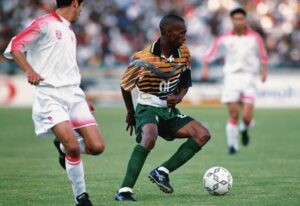

In recent years, the idea of naturalizing foreign-born players to bolster the Bafana Bafana squad has sparked heated discussions. With players like Gaston Sirino and Lucas Ribeiro Navarro openly expressing interest in representing South Africa, the debate has intensified. South Africa faces a complex question: Should we allow foreign-born players to represent the national team, or should we prioritize local talent? Here’s a closer look at both sides of the argument, followed by a possible conclusion.
The Case Against Naturalizing Foreign-Born Players
Are We Admitting South Africans Aren’t Good Enough?
One of the most common criticisms against naturalizing players is that it suggests local talent is inadequate. South Africa has a rich pool of young talent, and bringing in foreign players might give the impression that homegrown players cannot rise to the occasion. A country with a population of nearly 60 million surely has enough skilled individuals to fill a competitive national team without importing players.
The Impact on Emerging Young Talent
Naturalizing players, especially older ones, could jeopardize the development of South Africa’s upcoming stars. Players like Sirino are in their 30s and may have only a few peak years left. Allowing them to occupy key spots could mean fewer opportunities for local, younger players eager to prove themselves. If Bafana Bafana hopes to build a sustainable future, investment in youth development should be prioritized over short-term fixes.
The Question of True Nationality
For many, representing a national team is about more than just skill—it’s about identity and connection to the country. Fast-tracking foreign-born players into the national squad could undermine what it truly means to represent South Africa on the global stage. Without meeting the 5-year residency requirement or having deeply rooted ties, is it fair for players to wear the jersey and represent the nation’s spirit? This question strikes at the heart of national identity and pride.
The Case for Naturalizing Foreign-Born Players
Immediate Talent Boost with Players Like Lucas Ribeiro
Supporters argue that naturalizing foreign-born players like Lucas Ribeiro, who brings European experience, could provide Bafana Bafana with a much-needed competitive edge. With his skills, international exposure, and youth, he could be a long-term asset for the team, lifting the overall quality of play and possibly inspiring local players to raise their game.
Expanding the Talent Pool to Stay Competitive
In today’s globalized football world, many countries are naturalizing talented foreign players to strengthen their squads. By adopting this approach, Bafana Bafana could become more competitive on the international stage, moving away from dependency on solely local talent, which has struggled to make a significant impact in major tournaments. For instance, European nations like France and Belgium have embraced naturalized players to great effect.
Inspiring Domestic Talent Through Stronger Competition
Some argue that bringing in players like Ribeiro could create healthy competition within the squad, encouraging local players to work harder and improve. Seeing a successful foreign-born player in the team could push young South African talents to level up, knowing that only the best—regardless of nationality—will secure a spot.
Key Examples and Public Reactions
The examples of Gaston Sirino and Lucas Ribeiro add a real-life dimension to this debate. Sirino, a stalwart at Mamelodi Sundowns, has expressed his desire to don the Bafana jersey but has faced mixed reactions due to his age. Coach Hugo Broos has been vocal in dismissing older foreign players, stressing that they do not align with his vision of a youthful, dynamic team. On the other hand, Ribeiro’s age, experience, and versatility make him a more compelling option, sparking interest from both fans and analysts alike.
A Balanced Path Forward?
The question of naturalizing foreign-born players is complex, involving questions of national pride, long-term strategy, and competitive necessity. While foreign-born talent like Ribeiro could elevate the team and introduce new skills, an over-reliance on non-local players may stifle young South Africans’ potential.
Perhaps the answer lies in a balanced approach: South Africa could consider naturalizing select foreign-born players who meet specific criteria, such as long-term residency, genuine dedication to the country, and alignment with the national team’s goals. At the same time, significant investment must be made in the country’s development structures to ensure that local talents continue to have pathways to the top.
Ultimately, whether or not Bafana Bafana embraces foreign-born players, the team’s future should be built around the growth and empowerment of South African talent. The goal is not just short-term success, but fostering a sense of pride, identity, and achievement for the nation as a whole.