

South Africa boasts an emerging generation of young football talent that holds the potential to bring local brilliance to the global stage. Yet, a key question lingers: can these players break into Europe’s elite leagues, build long-standing careers, and sustain their success among the world’s best?

When Lyle Foster recently joined the Premier League, he broke new ground, yet his is a lone journey for a country with a history of producing junior international talents who fail to make the leap to Europe. After a third-place finish at the U23 AFCON, why does South African football struggle to export young stars to top leagues? Are players and clubs alike missing the opportunities to bridge this gap, unlike North and West Africa, where players often transition through “smaller” European leagues, developing their careers steadily?

The Young Guns: Who Can Make It?
Among the promising talents, some names already shine. At Orlando Pirates, Relebohile Mofokeng and Mohau Nkota have shown potential beyond their years. Mofokeng, with over fifty senior appearances and a place in the Bafana Bafana squad, stands out. Meanwhile, Nkota, despite just beginning his senior career, has displayed early promise on the junior international stage.

At Mamelodi Sundowns, Kutlano Letlhaku and Siyabonga Mabena face stiff competition among seasoned internationals for game time. Letlhaku’s record as the youngest-ever Sundowns player to score a brace is a testament to his potential, yet will he see enough playtime to realize it?
Kaizer Chiefs’ Mduduzi Shabalala and Mfundo Vilakazi also bring hope, contributing significantly to a team in transition. In an unconventional path, Puso Dithejane, who left Chiefs after refusing to work as a ball retriever, has now found an integral role at TS Galaxy under Tim Sukazi. His is a story of resilience that highlights the importance of finding clubs that believe in young players.

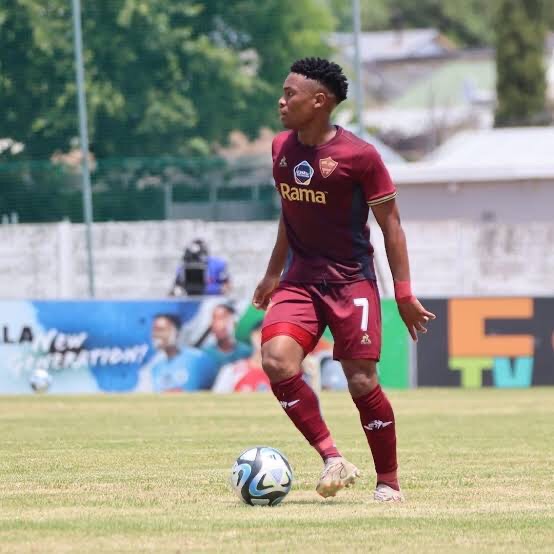
Langelihle Phili at Stellenbosch is another name to watch, already showing glimpses of his skill in cameo appearances under coach Steve Barker. Can he, like his peers, find the consistency to attract global interest?
The hunger for global exposure is evident in players like Gabriel Amato and Emile Witbooi, who have already impressed at Cape Town City. Witbooi’s ongoing assessment with Chelsea in England is an exciting step forward, yet these journeys are few and far between. Can these youngsters handle the pressure and cultural shift of European leagues?

Why Are South Africa’s Young Stars Stagnating?
Historically, South Africa has seen its junior national teams compete on the world stage—qualifying for tournaments like the U20 World Cup and the Olympics—but these achievements haven’t translated into sustained success at the senior Bafana Bafana level. Are these young players not given the right support structures or opportunities to bridge the gap to senior-level football?

A crucial factor might be local salaries: South African clubs in the PSL can offer salaries comparable to those in leagues like Sweden, Denmark, or Belgium. This comfort may disincentivize players from exploring smaller European leagues, unlike West and North African players, who frequently start in these leagues and work their way up. Are local players too comfortable, failing to see the bigger picture of gaining experience abroad? Or, are they not advised effectively by agents who prioritize immediate earnings over long-term career development?

Additionally, South Africa’s FIFA ranking poses another obstacle. Being outside the top 50 restricts South African players’ eligibility for work permits in competitive leagues like the English Premier League. This global ranking impacts players’ marketability and ease of entry into prominent leagues, creating yet another barrier for local talent.
The Road Ahead: Opportunities and Missed Potential
South Africa’s young talents have the flair and raw ability, but the gap between promise and sustainable success is wide. For every Mofokeng or Shabalala who makes waves in the PSL, we’ve seen countless youngsters fade into obscurity. Without a clear development path, aligned incentives, and support from experienced intermediaries, these players risk becoming local stars rather than global icons.
Is it time for the South African football system to look beyond local success and encourage young players to embrace the challenge of moving abroad, gaining resilience and experience in smaller European leagues? Are agents too focused on commissions instead of offering genuine career guidance? The next generation’s success may well hinge on answering these questions, ensuring South Africa’s finest don’t merely dazzle but also dominate on the global stage.